에이전트 클라이언트 · 호스팅 MCP
쓰던 에이전트에 검토할 기록을 더하세요.
HTTP를 지원하는 MCP 클라이언트를 AdaptOrch에 연결하세요. 범위가 정해진 작업을 제출한 뒤 실행 기록과 제공된 아티팩트를 확인합니다.
MCP 설정하기호스팅 엔드포인트
https://adaptorch.com/mcpAdaptOrch API 키는 서비스 인증에 사용합니다. 모델 실행에는 별도의 제공자 키와 모델 설정이 필요하며, 제공자 요금은 별도입니다.
AI가 제시한 변경 설명과 목표, 이미 확인한 내용을 입력하세요. 변경을 믿기 전에 무엇을 더 확인해야 하는지 질문으로 받아볼 수 있습니다.
AdaptOrch는 AI 코딩 에이전트를 위한 호스팅 검토 계층입니다. 무엇이 실행됐고, 어떤 검사를 사용할 수 있었으며, 무엇을 사람이 더 검토해야 하는지 기록합니다. MCP로 도구를 연결하며, 저장소 검사에는 별도로 구성한 실행 환경이 필요합니다.
Starter는 월 50회 실행을 무료로 제공합니다. Pro는 500회 실행과 워크스페이스 사용자 5명을 추가합니다. 모델 사용료는 본인 공급자 키로 별도 청구됩니다. 코드 검사에는 별도 실행 환경 구성이 필요합니다.
이 예시에는 명령 실행 근거가 없습니다. 다음 검사를 결정하기 전에 출력을 검토하세요.
고객 실행이 아닌 보고서 구성 예시입니다. 실행 완료와 코드 검증은 서로 다른 사실입니다.
보고서 예시 펼쳐보기 →
AI로 만든 설명용 삽화
답변은 이야기의 일부일 뿐입니다. 에이전트가 한 일을 따라가며 사용할 수 있었던 검사를 확인하고, 아직 검토가 필요한 부분을 살펴보세요.
노드를 선택하면 기록을 볼 수 있습니다.
가입 없이 볼 수 있는 데모이며, 코드는 실행하지 않습니다.
시나리오를 고른 뒤 근거를 따라가 보세요.
범위 밖 설정 변경과 실행되지 않은 검사를 검토하세요. 병합이나 선택은 하지 않습니다.
시뮬레이션 재생 / 설정된 실행 환경 예시 / 고객 결과 아님
또 하나의 코딩 에이전트가 아니라, 검토를 돕는 계층입니다.
PR을 검토할 때 묻던 질문에서 시작하세요. 실행 보고서는 기록된 입력, 결과와 남은 검토 작업을 연결합니다.
기록된 입력, 선택한 모델과 출력부터 확인하세요. 실행 상태와 변경을 뒷받침하는 근거를 구분합니다.
실제로 존재하는 명령, 대상과 결과를 읽으세요. 건너뛰거나 빠진 검사는 통과한 검사가 아닙니다.
남은 범위 관련 질문과 누락된 검사를 확인하세요. 다음에 무엇을 검토하고 설정하거나 실행할지 결정합니다.
src/table.py+18 −4tests/test_io.py+19 −0config/prod.yaml+4 −0 · 요청 범위 밖요청 범위 밖의 설정 파일이 바뀌었고, 통합 검사는 아직 실행되지 않았습니다.
이 패치에 설정 변경이 필요한지 확인하고 필요한 통합 검사를 결정하세요.
실제 보고서는 실행한 검사 범위를 다루며 미검증 동작까지 보장하지 않습니다. 이 예시에서는 고객 코드를 실행하지 않았습니다.
correctness_claim: falseMCP, CLI 또는 Python SDK를 선택한 뒤 로그인하여 설정 가이드를 확인하세요. 작업을 요청하기 전에 AdaptOrch 키, 모델 제공자 키와 사용할 모델을 설정합니다.
연결 방식 선택하기위 보고서는 설명용 예시입니다. 호스팅 명령 검사는 기본으로 꺼져 있으며, 저장소 검사에는 별도 실행 환경 구성이 필요합니다.
에이전트, 터미널 또는 Python 워크플로에서 연결하세요. 각 경로의 설정 안내를 따라 같은 호스팅 실행 기록에 접근합니다.
에이전트 클라이언트 · 호스팅 MCP
HTTP를 지원하는 MCP 클라이언트를 AdaptOrch에 연결하세요. 범위가 정해진 작업을 제출한 뒤 실행 기록과 제공된 아티팩트를 확인합니다.
MCP 설정하기호스팅 엔드포인트
https://adaptorch.com/mcpAdaptOrch API 키는 서비스 인증에 사용합니다. 모델 실행에는 별도의 제공자 키와 모델 설정이 필요하며, 제공자 요금은 별도입니다.
터미널 · 호스팅 클라이언트
호스팅 CLI 클라이언트로 터미널에서 실행 기록을 다루세요. 설치 방법과 지원 명령어는 설정 가이드를 확인하세요.
CLI 설정하기터미널 설정 경로
AdaptOrch 서비스 인증
제공자와 모델 설정
한 번 제출하고 반환된 기록 확인
CLI에는 서비스 인증과 요청별 제공자 설정이 필요합니다. 설치 방법과 지원 명령은 안내에서 확인하세요.
PYTHON · 호스팅 클라이언트
호스팅 Python 클라이언트로 범위가 정해진 작업을 제출하고 실행 기록을 확인하세요. 지원 메서드와 요청 필드는 안내에서 확인합니다.
Python SDK 설정하기PYTHON 설정 경로
AdaptOrch 서비스 인증
제공자와 모델 설정
한 번 제출하고 반환된 기록 확인
Python 클라이언트는 서비스 인증과 요청별 BYOK를 사용합니다. 요청 성공만으로 코드 검사가 실행되었다고 판단할 수 없습니다.
인터페이스를 고른 뒤 실행 범위를 따로 설정하세요. 호스팅 명령 검증은 기본적으로 비활성화되어 있으며, 로컬 클라이언트는 자체 호스팅 서비스가 아닙니다.
이미 쓰고 있는 도구 옆에서 동작합니다


호환 가능한 워크플로 표면이며, 로고는 제휴나 보증을 뜻하지 않습니다.
지금 시작하는 호스팅 경로
MCP나 API로 모델 작업을 요청하고 실행 기록, 출력과 제공되는 산출물을 조회합니다. Starter는 무료 호스팅 요금제입니다.
별도 구성 · 범위를 정한 PoC
저장소와 명령 검사는 실행 환경, 저장소 접근, 검사 명령, 기록 처리를 먼저 정합니다. 호스팅 요금제 업그레이드만으로 자동 활성화되지 않습니다.
BYOK는 인증·비용 처리 방식이며 코드가 기기 밖으로 나가지 않는다는 뜻은 아닙니다. 입력을 보내기 전에 데이터 흐름을 확인하세요.
데이터·보안·운영 책임 확인 →설명용 인터랙티브 예시입니다. 이 버튼은 고객 코드나 모델 호출을 실행하지 않습니다.
시나리오를 고르고 화면의 단계를 재생합니다. 고정된 예시 데이터를 사용하는 시연입니다.
Candidate patch modifies astropy/table.py to repair issue
                  behavior.
The patch applies cleanly, but we cannot call it correct. The test evidence came back inconclusive, and the shadow check flagged repair risk with no reproducible run behind it.
정적인 예시입니다. 다시 보기를 선택하면 기록을 단계별로 살펴봅니다.
재시도도 일입니다. 이 예시는 모든 시도를 보여 주고, 보고되지 않은 비용을 0으로 처리하지 않습니다.
플랫폼 요금제와 모델 제공사 요금은 따로 청구됩니다.
| 호출 | 시도 | 예시 추정액 |
|---|---|---|
| 초안 | 01 | $0.0048 |
| 검토 | 01 | $0.0021 |
| 요약 | 01 | $0.0005 |
| 초안 | 02 | $0.0048 |
| 검토 | 02 | 미보고 |
| 요약 | 02 | $0.0005 |
앞선 시도도 기록에 남습니다.
설명용 모델 호출 금액(USD)이며 실시간 가격, 청구서, 절감 주장이 아닙니다. 보고되지 않은 호출은 소계에서 빠지고, 무료로 취급하지 않습니다.
아래 세 요금제는 모두 호스팅 서비스입니다. 기록 확인부터 시작하고 필요한 실행 허용량과 워크스페이스 사용자 수를 선택하세요.
모든 요금제의 모델 실행에는 본인 키(BYOK)가 필요합니다. 구독료에는 표시된 서비스 사용 범위가 포함되며 모델 비용은 공급자가 별도 청구합니다. AdaptOrch 키는 서비스 인증용이지 모델 공급자 키가 아닙니다.
선택적 앙상블 실행은 구성된 작업에서 본인 모델 2–5개를 호출합니다. 접수 실행 한 건은 요금제 허용량 한 회이며, 각 모델의 토큰 비용은 공급자가 별도 청구합니다. 비용은 모델·토큰·시도 횟수에 따라 달라집니다. 워크스페이스 사용자는 사람 수이며 모델 멤버 수가 아닙니다. 모델 일치율은 정확성 보장이 아닙니다.
모델 출력과 AI가 작성한 설명은 AI 생성물이며 사람의 검토가 필요합니다. 실행 로그나 실제로 수행된 검사 결과와 같은 종류의 근거로 취급하지 마세요.
연간 금액은 월 청구액이 아닌 USD 연간 총 청구액입니다. Pro 연 $421.20(월 환산 $35.10), Team 연 $1,609.20(월 환산 $134.10)입니다. Starter에는 연간 할인이 없습니다.
호스팅 요금제는 저장소 변경을 자동 적용·병합하지 않습니다. 별도로 구성한 검사는 합의한 작업 공간에 후보 변경을 적용할 수 있습니다. 사람의 검토와 실제 실행 범위를 명확히 구분합니다.
월 허용량은 상태·산출물 조회가 아니라 접수된 실행을 셉니다. SUCCEEDED 시점이 아닌 접수 시점에 사용량이 반영됩니다. 내부 시도는 같은 실행에 속하며, 별도로 접수한 재실행은 다시 계산됩니다. 공급자의 토큰 청구는 별도입니다.
저장소 명령 검사에는 별도 실행 환경 구성이 필요합니다. Pro나 Team 업그레이드만으로 호스팅 명령 검증이 켜지지 않으며 구성·실행 환경 비용은 별도로 합의합니다.
경제성 · 추정만 가능합니다. 직접 입력한 노동 가치와 비용 가정으로 월간 호스팅 구독과 셀프호스팅을 비교하세요. 절감 효과는 측정하지 않았습니다.
현재 월간 요금제 가격을 불러오는 중…
요금제 가격을 불러올 수 없어 추정값을 계산하지 않습니다. 아래 현재 목록을 확인하세요.
요금제를 선택하고 모든 비용 가정을 유효하게 입력하세요. 해당하지 않는 비용은 0을 직접 입력하세요.
입력한 가정으로 추정값을 갱신했습니다. 실측 절감액이나 절감 시간이 아닙니다.
max(0, subscription + extra_provider - self_host_infra) /
                    hourly * 60
subscription, extra_provider, self_host_infra는 각각 월 구독료, 추가 제공자 비용, 셀프호스팅 인프라 비용(USD)이며, hourly는 시간당 노동 가치(USD)입니다. 결과는 월간 분 단위이고 최솟값은 0입니다.
이 값은 입력 조건에서 손익분기를 맞추기 위해 매월 줄여야 하는 노동 시간이지, 실측 절감 시간이나 전체 TCO가 아닙니다. 시간이나 PR 수로 요금제를 추천하지 않습니다.
연간 프로모션이 아닌 현재 월간 USD 가격을 사용합니다. 세금과 두 워크플로에 공통으로 발생하는 BYOK 비용은 제외합니다. 초기 설정과 지속적인 유지보수 비용이 모두 포함되지는 않으므로 실제 총비용은 다를 수 있습니다.
변경 범위가 맞는지, 검사가 실행됐는지, 테스트가 바뀌었는지, 실행 환경이 실패했는지 확인하세요.
설치·네트워크·러너 오류와 실제 코드 오류를 분리해 CI와 리뷰 시간을 아끼세요.
실행 경로 보기 →모든 코드를 읽지 않아도 통과·검토 필요·차단을 확인하고, 영수증을 코딩 에이전트에 수정 문맥으로 다시 전달할 수 있습니다.
실행 이력에서 상태, 모델 정보와 제공되는 산출물을 확인합니다. 저장소 검증에는 별도 실행 경로 구성이 필요합니다.
저장소 검사는 선택한 환경과 명령에 따라 달라집니다. 파일 접근, 네트워크 권한과 격리 방식을 실행 전에 정합니다. 환경과 검사 결과를 기록해 CI와 비교할 수 있지만, 한 환경의 통과가 다른 환경의 통과를 보장하지는 않습니다.
임시 작업 공간과 보관되는 보고서는 서로 다른 데이터입니다. 작업 공간 정리는 실행 환경 설정을, 실행 기록·로그·산출물은 명시된 보관 정책을 따릅니다.
실행·근거의 제공 범위 확인 →제공된 실행 근거를 바탕으로 추가 검토할 부분을 결정하세요. 모든 실행이 모든 문제를 탐지한다는 약속이 아니라 검토할 질문입니다.
변경 전후 재현 검사가 있으면 수정 근거를 더 분명히 확인할 수 있습니다. 없다면 다른 근거와 추가 검사할 동작을 명시하세요.
기록된 파일과 변경을 요청 범위와 비교하세요. 구성된 검증 경로에서 관련 없는 수정을 확인할 수 있습니다.
삭제되거나 약해진 테스트는 통과 결과의 의미를 바꿀 수 있습니다. 명령 결과와 테스트 변경을 함께 검토하세요.
설정·네트워크·검사 결과를 나눠 확인하세요. 명령 누락이나 시간 초과처럼 분류 가능한 경우도 있지만 불명확한 실패는 추가 진단이 필요합니다.
아래 결과는 각각 명시된 실험 범위에 해당합니다. 긍정 결과, 놓친 사례와 방법론의 한계를 함께 확인하세요. 고객 저장소의 성능을 약속하는 자료가 아닙니다.
AdaptOrch 연구 논문은 작업에 맞춘 다중 에이전트 오케스트레이션을 다룹니다. 호스팅 제품과 CEK 저장소 검증 흐름에는 각각의 실행 제약이 있으며, 논문 결과가 고객 코드의 정확성이나 호스팅 성능을 입증하지는 않습니다.
AdaptOrch: Task-Adaptive Multi-Agent Orchestration in the Era of LLM Performance Convergence · Geunbin Yu · submitted 2026-02-18
개선·악화 내역은 근거 JSON에서 확인할 수 있습니다.
사각형 하나는 기록된 합성 과제 하나입니다. 초록은 검사 통과, 빨간 테두리는 A군보다 C군에서 악화된 결과입니다.
합성 원장 과제 30개: paper 기준 A와 robust + verifier C 비교에서 8개 결과가 개선되고 1개가 악화됐습니다. 합성과 검증 설정이 모두 다르므로 검증기만의 효과를 측정한 비교는 아닙니다.
로컬 실행은 측정했습니다. 사람의 시간 절감은 측정하지 않았습니다. 이 결과와 가정에 따른 비용 추정은 구분해야 합니다.
이 실험은 신뢰할 수 있는 로컬 대조 조건에서 CommandVerifier의 생성·실행·분류 시간을 측정했으며, 모델 API는 호출하지 않았습니다. 실제 AI 생성 패치를 검증한 실험이 아닙니다.
로컬 측정 데이터를 불러오는 중…
로컬 데이터를 불러왔습니다. 불일치를 포함한 모든 결과를 아래에 표시합니다.
측정 데이터를 불러오지 못했습니다. 결과를 표시하지 않습니다. 내려받을 수 있는 JSON을 직접 확인하세요.
고정된 합성 대조 조건 다섯 가지를 로컬에서 반복했습니다. 반복은 서로 독립적인 개발자나 과제가 아닙니다. 일치 수는 예상 분류와 일치한 횟수이지 버그 탐지 정확도가 아닙니다. 필요하면 표 안에서 가로로 스크롤하세요. 키보드로 표에 초점을 맞춘 뒤 방향키를 사용할 수 있습니다.
| 대조 조건 | 예상 분류 | 관측 분류(횟수) | 중앙값(밀리초) | p95(밀리초) | 일치 / 시도(횟수) |
|---|---|---|---|---|---|
| 통과하는 단언분류 불일치 | — | — | — | — | — |
| 실패하는 단언분류 불일치 | — | — | — | — | — |
| 실행 파일 없음분류 불일치 | — | — | — | — | — |
| 의도적인 시간 초과분류 불일치 | — | — | — | — | — |
| Python 의존성 없음분류 불일치 | — | — | — | — | — |
분류 불일치: 의존성 누락 조건은 ENV_ERROR를 예상했지만 FAIL로 관측됐습니다. 불일치한 시도도 시간 요약과 다운로드 데이터에서 제외하지 않았습니다.
알려진 한계: Python 의존성 누락을 일반 테스트 실패로 잘못 분류했습니다. 모든 환경 오류를 후보 코드의 실패와 구분하지는 못합니다.
이 결과는 호스팅 왕복 지연 시간 측정도, 보안 격리 시험도, 실제 AI 패치 검증도 아닙니다. 공유 호스팅의 명령 검증은 기본 비활성입니다. 명령 컴포넌트는 프로젝트를 복사하거나 패치를 적용하지 않습니다.
실행 전에 프로토콜을 고정했습니다. 조건별 20회 반복, 시드 20260905로 순서 섞기, 시도마다 새 검증기 사용, 캐시 없음, 명령 하나, 제한 시간 0.35초입니다.
고정 대조 조건은 다섯 가지입니다. 2 + 2에 관한 Python 단언의 통과와 실패, 실행 파일 누락, 2초 대기를 0.35초에 중단하는 시간 초과, Python 모듈 누락으로 인한 import 실패입니다. 이 단순한 테스트 입력은 AI 생성 패치나 실제 프로젝트 테스트 스위트가 아니며, 밀리초 단위 결과는 실제 프로젝트 테스트 지연 시간을 뜻하지 않습니다.
신뢰할 수 있는 테스트 입력을 임시 작업 디렉터리에서 기본 자원 제한과 환경 변수 상속 없이 실행했습니다. 임시 디렉터리는 깨끗한 프로젝트 사본이나 보안 경계가 아닙니다.
단조 시계로 검증기 생성·명령 실행·분류의 경과 시간을 측정했습니다. 측정 프로그램 시작, 보고서 직렬화, 네트워크 지연 시간은 제외했습니다.
느리거나 오류가 난 시도까지 모두 보존했습니다. 중앙값과 nearest-rank p95는 기술통계일 뿐입니다. 유의성 검정, 일반화된 정확도 추정, 인과적 절감 주장은 하지 않습니다.
JSON에는 리비전, 작업 트리 변경 여부, 소스 해시와 환경 메타데이터를 기록했습니다. 내부 사전 실행 프로토콜이지 외부 사전등록이나 출시 승인이 아닙니다.
여기에는 사람 대상 연구나 고객 절감 데이터가 없습니다. 로컬 명령 실행 시간만으로 개발자의 리뷰 시간 절감량을 알 수 없습니다.
절감을 주장하기 전에 같은 과제의 수동·보조 워크플로를 짝지어 실제 리뷰 활동 시간을 측정해야 합니다. 대기 시간은 별도로 기록하고, 독립적인 정답 검증과 실제 구독·제공자·인프라·설정·유지보수 비용도 측정해야 합니다. 독립적인 개발자와 저장소를 포함하고, 작업 순서를 무작위로 배정하며, 실패하거나 더 느린 실행도 보존해야 합니다.
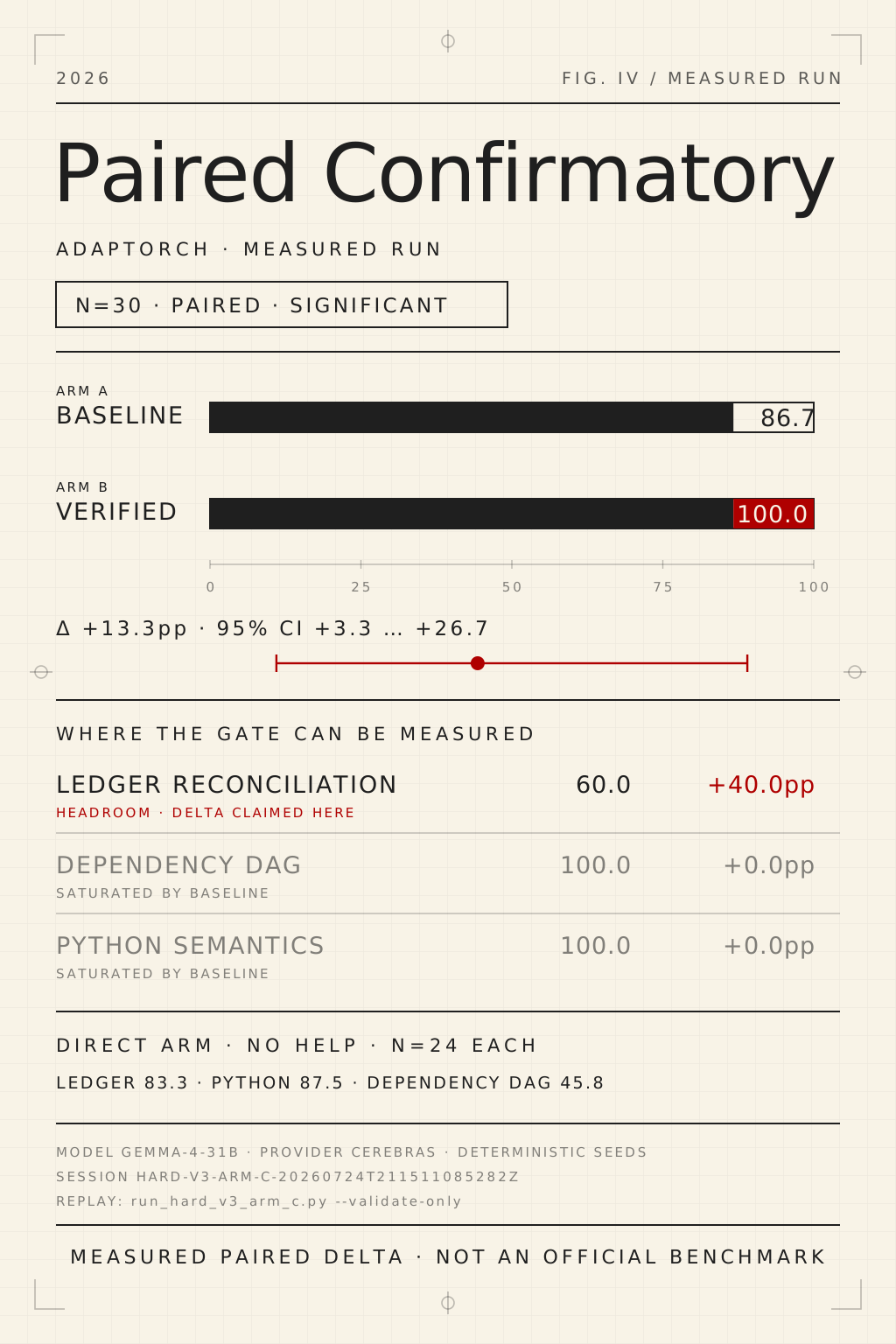
paired_confirmatory_ledger: 합성 원장 과제 30개를 한 세션에서 짝지어 비교했습니다. 기준 86.7%, 검증 후 100.0%, 차이 +13.3pp(95% CI +3.3~+26.7). 합산 판정은 유의하지 않고 패밀리 게이트도 미통과입니다. 입증이 아닌 방향성 결과이며, A/C 원장과는 별도 실험입니다.
ARC-AGI-2 퍼즐 20개를 실행한 이번 실험에서 최고 단일 모델은 14/20, 정확답 다수결은 10/20을 맞혔습니다. 다수결 비용이 더 컸습니다. 특정 내부 실험이지 보편적 결론은 아닙니다.
공개 집계에는 오류와 잘림 수가 포함됩니다. GPT는 16개 채점·오류 4개, Qwen은 19개 채점·잘림 1개입니다. 최고 단일 모델 및 다수결과 채점 분모가 다릅니다.
세 모델군을 합산한 기록상 모델 호출 비용(USD)입니다. 고객 청구액이나 전체 TCO가 아니며, 추가 비용은 이 기록으로 확인되지 않습니다.
three-way-20260826T142538Z
공개 자료는 과제별 짝지은 결과가 아닌 집계입니다. 개선·악화된 답의 개수를 각각 독립적으로 재계산할 수 없습니다.
n = 20 · 집계 비교이며 일반적인 성능 주장이 아닙니다.
검사 통과는 실행한 조건에만 해당합니다. 전체 코드의 정확성·안전성이나 검사하지 않은 조건의 동작까지 보장하지 않습니다.
실행 영수증은 기록된 증거를 보여 줍니다. 검증을 실행하지 않은 결과는 테스트 통과가 아닙니다. 위 로컬 실험은 명령 검사를 측정했으며, hosted 패치 실행이나 개발자의 시간 절약을 입증하지 않습니다.
불리한 결과도 공개합니다. 합성 원장 A/C 비교에서 과제 8개가 개선되고 1개가 악화됐습니다. 합성과 검증 설정을 함께 비교한 결과이며 검증기만의 효과는 아닙니다.
이 페이지에서 보여 줄 수 있는 것보다 더 많이 약속하는 문장이 있으면 알려 주세요. 페이지를 고치겠습니다.
MCP나 API로 모델 작업을 요청하고 실행 기록, 출력과 제공되는 산출물을 조회합니다. 공유 호스팅 명령 검증은 기본 비활성이며 저장소 검사에는 별도 실행 환경이 필요합니다.
코드 전체의 정확성 증명을 제공하지는 않습니다. 어떤 검증이 실행됐고 어떤 증거가 기록됐는지 확인하세요. 테스트를 실행하지 않은 모델 실행 성공은 테스트 통과가 아닙니다.
기본 호스팅은 고객 저장소에 변경을 자동 적용하거나 병합하지 않습니다. 별도로 구성한 검증 환경에서는 합의한 작업 공간에 후보 변경을 적용해 검사할 수 있습니다. 최종 검토 결정은 고객이 합니다.
현재 표는 고정된 대조 입력 5종의 로컬 명령 검사 시간을 보여 줍니다. 과거 원장 실험은 다른 작업을 측정했습니다. 어느 쪽도 고객 저장소의 지연, hosted 전체 응답 시간, 개발자의 절약 시간을 입증하지 않습니다.
로컬 대조 실험에서 실행 파일 누락과 시간 초과는 구분됐지만, Python 의존성 누락은 일반 테스트 실패로 분류됐습니다. 실패 표시는 문맥과 함께 확인해야 하며, 모든 환경 문제의 원인을 진단한다는 보장은 아닙니다.
접수된 실행 한 건이 허용량 한 회입니다. 상태·사용량·산출물 조회는 새 실행을 만들지 않습니다. 완료 여부가 집계 기준은 아니며 별도로 접수한 재실행은 다시 계산됩니다. 공급자의 토큰 요금은 별도입니다.
아닙니다. 모델은 코드 검사를 하지 않고도 완료될 수 있습니다. 실제 명령, 결과와 건너뛰거나 미검증인 부분을 확인하세요. AI 설명은 이 기록을 대신하지 않습니다.
클라이언트별로 문서화된 MCP 또는 HTTP 연결 방법을 사용하세요. 인증 확인, 모델 실행, 저장소 검증은 별도 단계이며 각각 결과를 확인해야 합니다.
실행 기록과 제공되는 검증 근거를 보여줍니다. 변경 파일, 변경 전후 검사와 재실행 정보는 구성된 경로에 따라 달라지며 없는 검사는 미실행으로 남겨야 합니다.
공개 Starter는 호스팅 AdaptOrch에 연결합니다. 클라이언트를 로컬에서 실행해도 서비스가 셀프호스팅되는 것은 아닙니다. 사내망 배포는 별도 프라이빗 러너 옵션을 문의하세요.
호스팅 요청은 AdaptOrch와 설정한 AI 제공자를 거칩니다. 비공개 코드를 제출하기 전에 데이터 전송·보존 정책을 확인하세요. 프라이빗 러너는 Starter 기본 구성이 아니라 별도 배포입니다.
기본 호스팅 상품에 자동 병합은 포함되지 않습니다. 자동 차단 정책은 고객의 실행 환경과 검토 기준에 맞춰 별도로 구성하고 평가해야 합니다.
AdaptOrch는 AI 에이전트 실행 기록, 모델 출력과 제공되는 검증 근거를 검토하는 호스팅 서비스입니다. MCP나 API로 코딩 도구를 연결합니다. 저장소 검사는 별도로 구성한 실행 환경이 필요합니다.
Geunbin Yu의 논문 “AdaptOrch: Task-Adaptive Multi-Agent Orchestration in the Era of LLM Performance Convergence”는 2026년 2월 18일 arXiv에 2602.16873으로 제출됐습니다. 연구 결과는 호스팅 제품 및 CEK 저장소 검증 흐름과 구분해야 합니다.
arXiv에서 AdaptOrch 논문 읽기 →최종 답변만 보지 말고 실행 기록을 확인하세요. 무엇이 실제로 실행됐는지, 어떤 명령이나 테스트가 기록됐는지, 변경 전에는 실패하고 변경 후에는 통과한 재현이 있는지, 관련 없는 파일이 바뀌었는지, 테스트 자체가 바뀌었는지 살펴보세요. 통과한 검사는 실행한 범위만 다루며 정확성 보장은 아닙니다.
에이전트 실행 기록은 한 번의 실행에 대한 저장된 이력입니다. 입력, 선택한 모델, 도구나 명령 단계, 출력, 상태와 사용 가능한 산출물을 포함합니다. AdaptOrch는 호스팅 실행 기록을 보관해 검토자가 채팅 기록에 의존하지 않고 나중에 확인할 수 있게 합니다.
AdaptOrch는 코드를 작성하는 또 다른 에이전트가 아니라 AI 코딩 에이전트를 위한 검토 계층입니다. 실행 근거와 사용 가능한 검사를 기록해 사람이 변경을 검토할 수 있게 합니다. 코드 리뷰와 CI를 보완하며, 이를 대체하거나 정확성을 입증하지는 않습니다.
무엇을 검증하기 어려운지 알려주세요. 실행 제약을 먼저 확인하고 저장소 작업 전에 범위·결과물·가격을 합의합니다.